
October 30, 2026
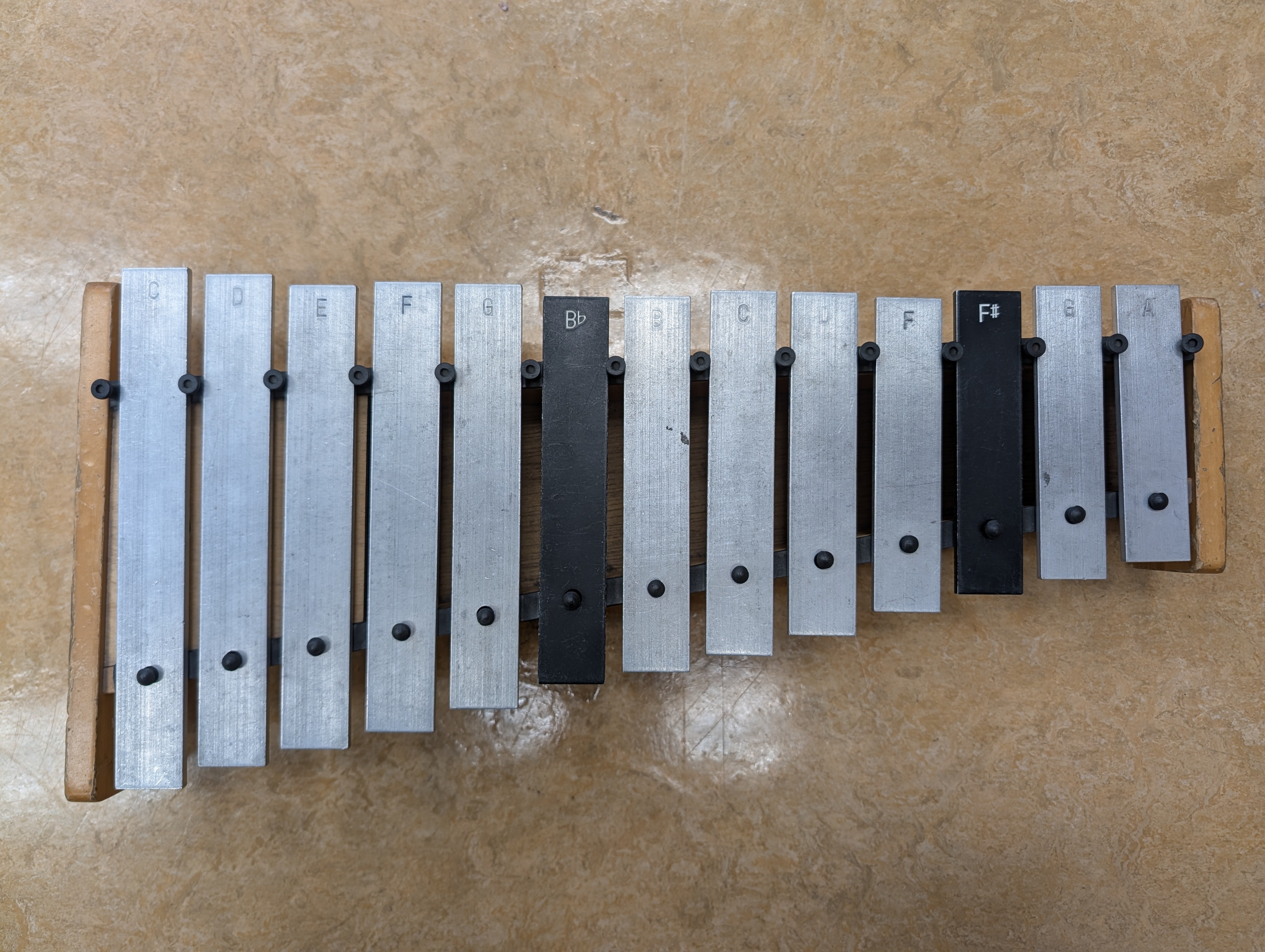
Younger students in Kindergarten to Grade 3 experimented with changing familiar and cheerful songs (e.g., The Old Grey Cat) into spooky versions by making certain notes sharp or flat (e.g., The Witch's Cat).
Older students in Grades 4 to 6 listened for instrument families in the Theme from Halloween and saw how modifying barred instruments can allow dissonant and haunting melodies to be played more easily.
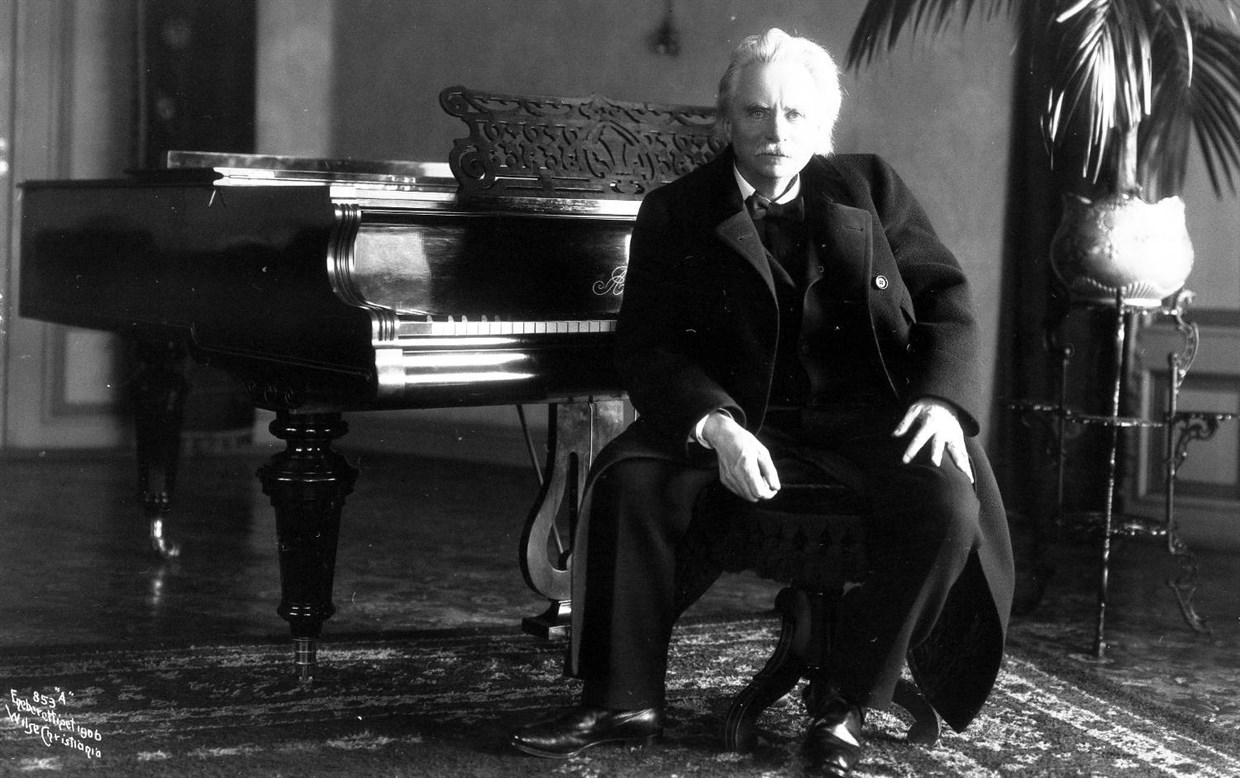
We've been learning about some of the spooky songs by Norwegian composer, Edvard Grieg for the entire month. This week, students participated in multiple activities using rhythm sticks, lummi sticks, Boomwhackers and barred instruments to accompany his songs, In The Hall of the Mountain King and Trolltog.
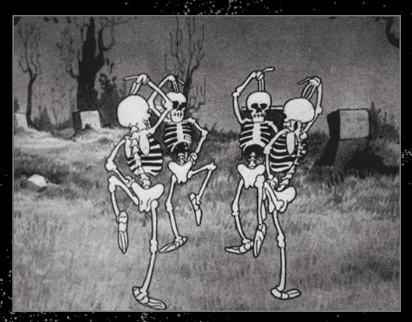
All Grade 4, 5 and 6 students completed their 'Spooky Movement' projects and compared them to the choreographed dance of the skeletons in the 1929 Disney video: The Skeleton Dance.
October 23, 2026
Students in Kindergarten, Grade 1, Grade 2 and Grade 3 have continued working with the classic "spooky" song, In the Hall of the Mountain King to complete the stick-passing challenge. You can ask your child to tell you what stick movements match to the cue words: "One, two, pass & pick-up new!" Grade 2 and 3 students have continued singing the song, Falling Leaves in canon with less teacher guidance and increasing independence. A highlight of this week was Ms. Castillon's Grade 3s singing partner duets in canon with classmates listening as a supportive audience!
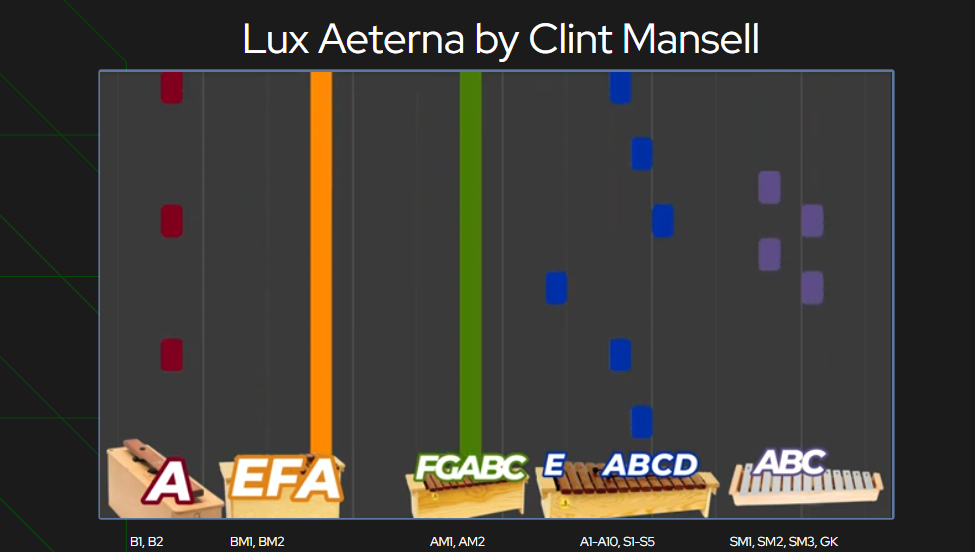
Students in Grades 4, 5 and 6 have continued working on and sharing their movement projects matching to the song, Lady in the Graveyard. Some classes worked very efficiently and have already completed their assessments and moved on to playing a 5-part version of the sorrowful and haunting song, Lux Aeterna by Clint Mansell on barred instruments. Next week, the remaining classes should complete their movement projects and begin working on Lux Aeterna as well. As always, we will aim to use the visual aid at first, then memorize our parts and play as an ensemble and conductor.
October 16, 2026
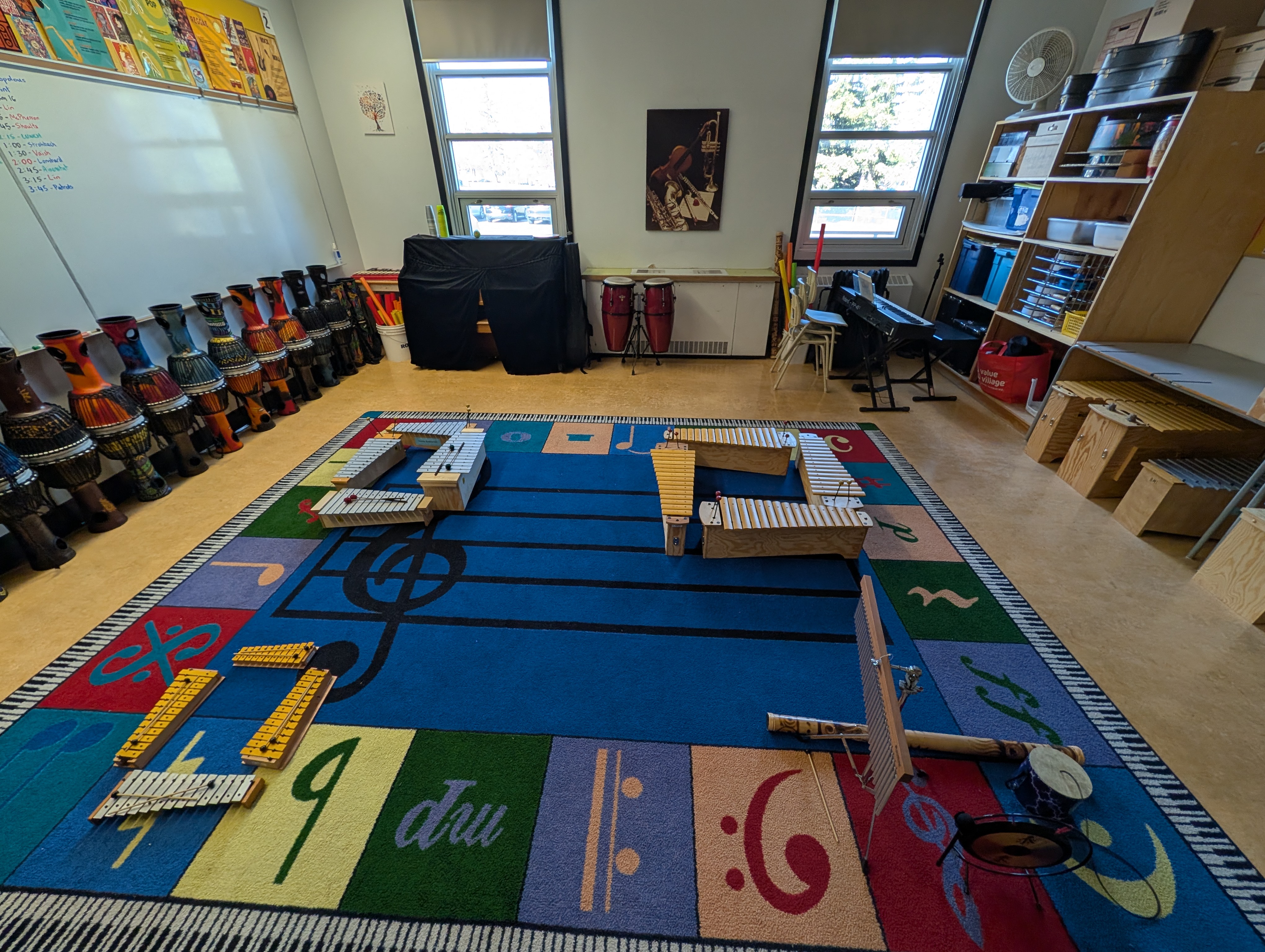
Grade 2 and 3 students have all started to set up instrument centres on their own (see image) and then rotated through with a small group to play each part in the song. We will be building upon this skill throughout the school year so that students gain more independence, have opportunities for leadership, and increase their playing time on a variety of instruments.
Kindergarten and Grade 1 students have been learning about dynamics (quiet vs loud) in music, and we are studying the song, In the Hall of the Mountain King to reinforce the different dynamic symbols (pp, p, mp, mf, f, ff). We're trying a challenging movement task as a group now where we play rhythm patterns with lummi sticks and pass them around to match the song. Students have also started playing the game, Unlucky Square to review the meaning of the different music symbols on our large music carpet (seen above).
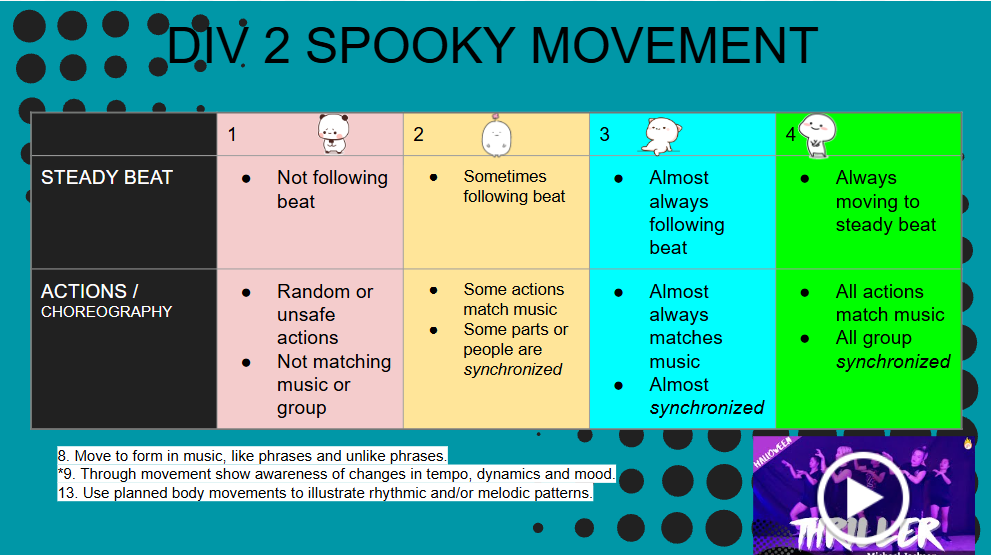
Grade 4 and 5 students have learned the spooky song, Lady in the Graveyard and how to play the two alternating melodies on barred instruments. They have also begun practicing their 'Spooky Movement' projects leading up to Halloween where they use planned body movements matching the song Lady in the Graveyard. Some enthusiastic groups have already presented their finished projects to their classes!
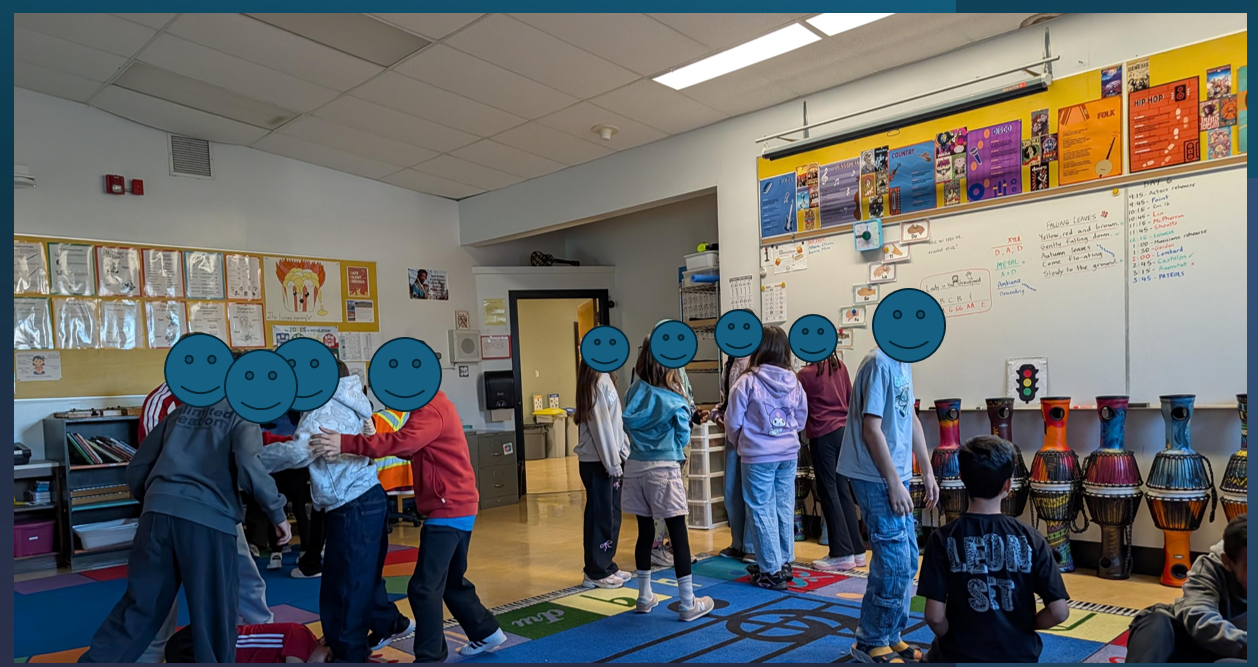
Students in Grade 6 have continued working on barred instruments and reading notation leading up to our Remembrance Day ceremony on November 10th. They will begin working on their 'Spooky Movement' projects next week.
October 9, 2026
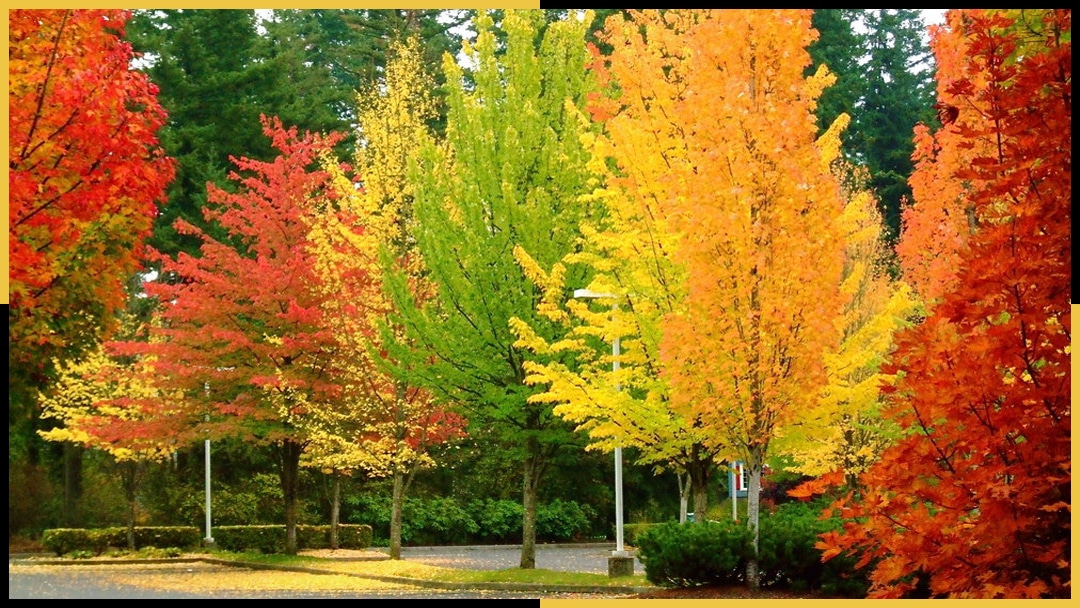
Students in Kindergarten, Grade 1, 2 and 3 have all been learning the song, Falling Leaves in connection to the season of Autumn. Younger students have focused this week on learning the lyrics (words) and melody. Grades 2 and 3 have mastered the lyrics and are working on singing in canon or round as well as playing bass xylophone, glockenspiel and chime parts to accompany their classmates while they sing!
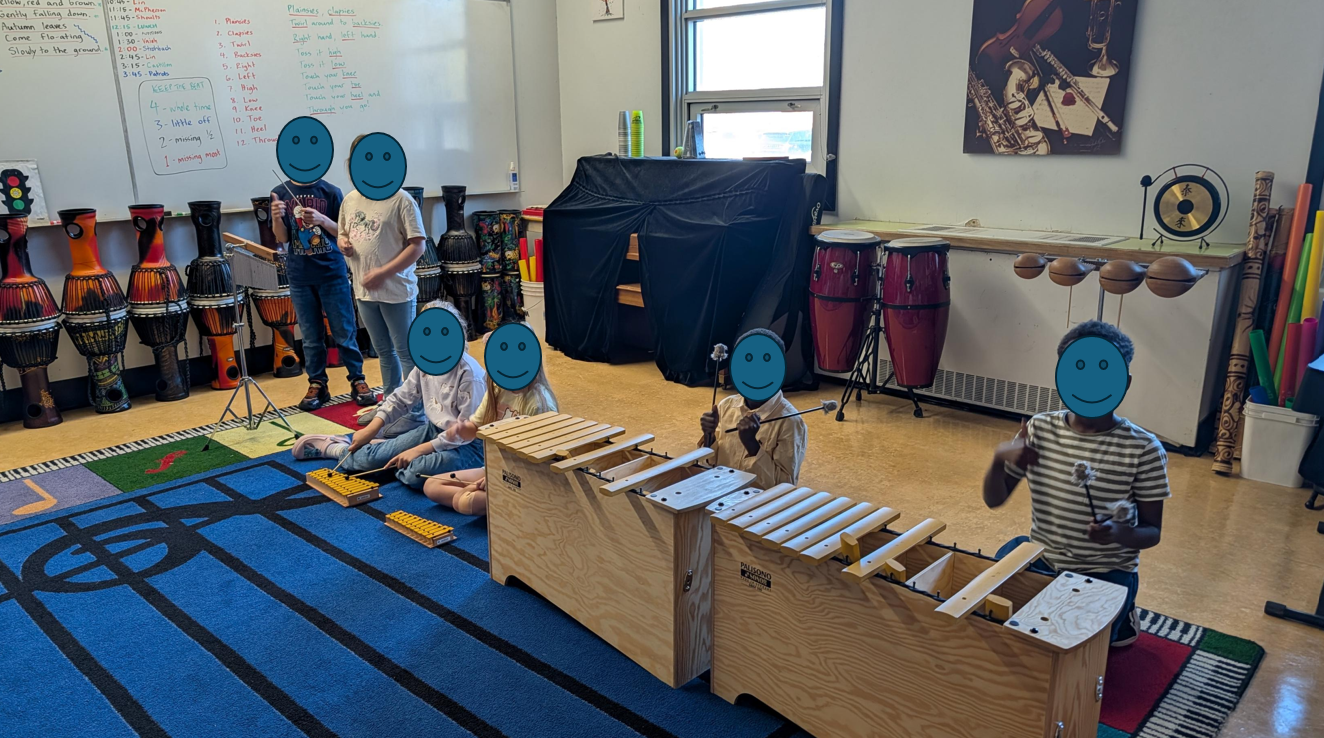
Students in Grades 4, 5 and 6 have continued to develop their skills on barred instruments by playing the songs La Cucaracha and Seven Nation Army without any visual reminders for which notes to play. Some classes have chosen to dive deeper into each song by adding new harmonies (complementary notes) on their barred instrument, or using unpitched percussion (e.g., drums, maracas) to emphasize the rhythms in the songs.
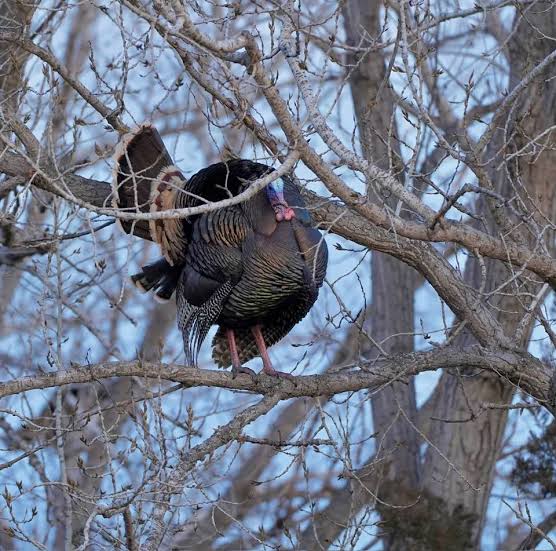
Students in the younger grades have been playing a singing and guessing game this week called, Five Fat Turkeys. The students sit or stand in the classroom as scattered trees and/or bushes and 5 students hide a feather behind their back while the "cook" (wearing my old apron) tries to guess which plants are hiding turkeys. Ask your little ones to sing you the song! Happy Thanksgiving!
October 2, 2026
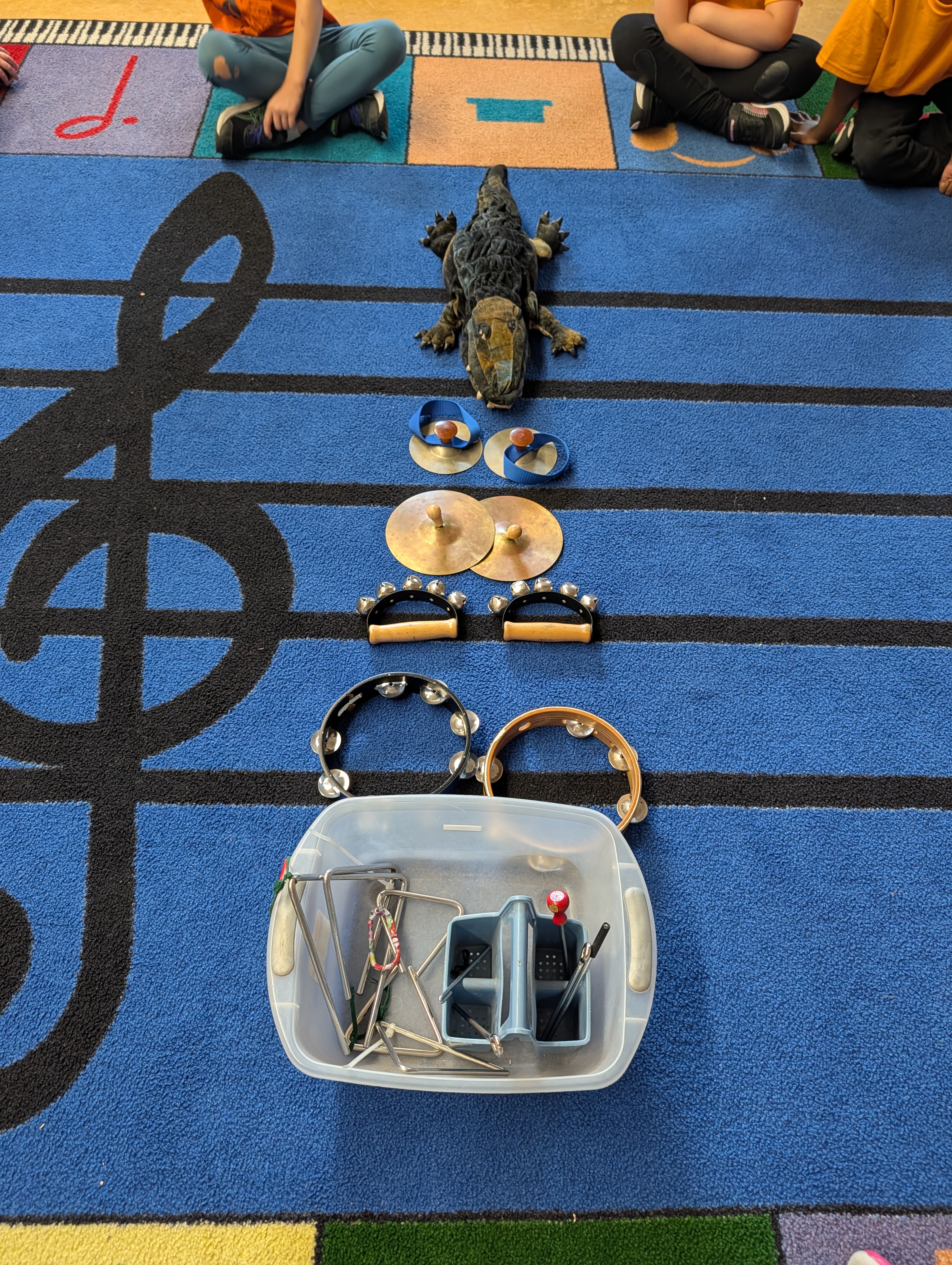
The students in Kindergarten and Grade 1 have been singing the song, Alligator Alarm to practice using metal unpitched percussion instruments (triangles, tambourines, jingle bells and cymbals). There are rests and points where we strike our instruments to work on self control and following conductor cues. If students are feeling brave, they can volunteer to get "bitten" by the stuffed alligator puppet!
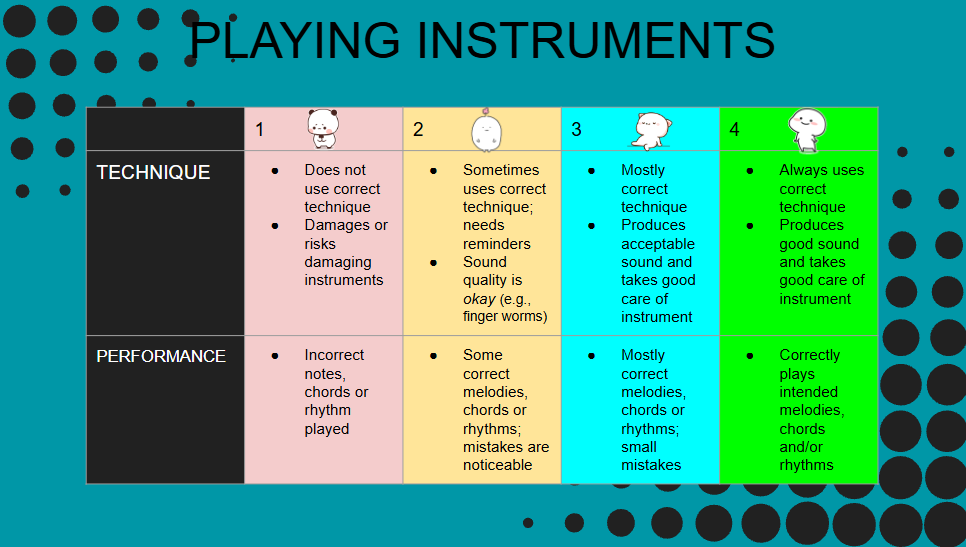
Students in Grade 2 & 3 have been practicing and sharing their skills playing a steady beat on a variety of unpitched percussion instruments (Boomwhackers, jingle taps, djembes and hand drums). This week, I assessed them on using proper technique for their instrument of choice as well as how consistently they kept a steady beat to the tempo of the song. Students in Grade 3 were also assessed on performing the actions for the bean bag challenge during the song, Plainsies Clapsies. The goal was to maintain a steady beat and try to complete each action on time, even if they dropped their bean bag. This reinforces the skills of recovering from a mistake and rejoining the group when singing in a choir or playing an instrument in an ensemble.
Students in Grades 4, 5 and 6 were assessed on playing the 4 different call melodies and the response melody for the song, Pizza Pizza on their choice of: xylophone, metallophone or glockenspiel. At this point in the year, our focus is mostly on playing with good technique as it builds our skillset for successfully playing more challenging parts in the future.
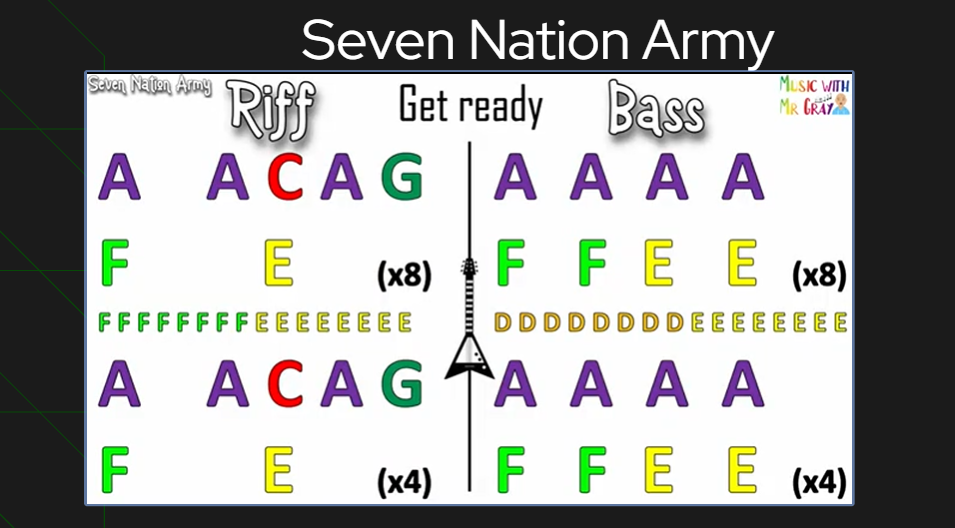
Some classes finished all their instrument assessments early, and have started learning the melody for new songs (Seven Nation Army & La Cucaracha) using barred instruments. We've started with play-a-long or karaoke style videos, but will move to reading basic notation as the students become familiar with the melodies. The goal is to learn how to play multi-part harmonies while maintaining focus on your section (preparing for band/orchestra playing in Junior High and beyond).
September 24, 2026
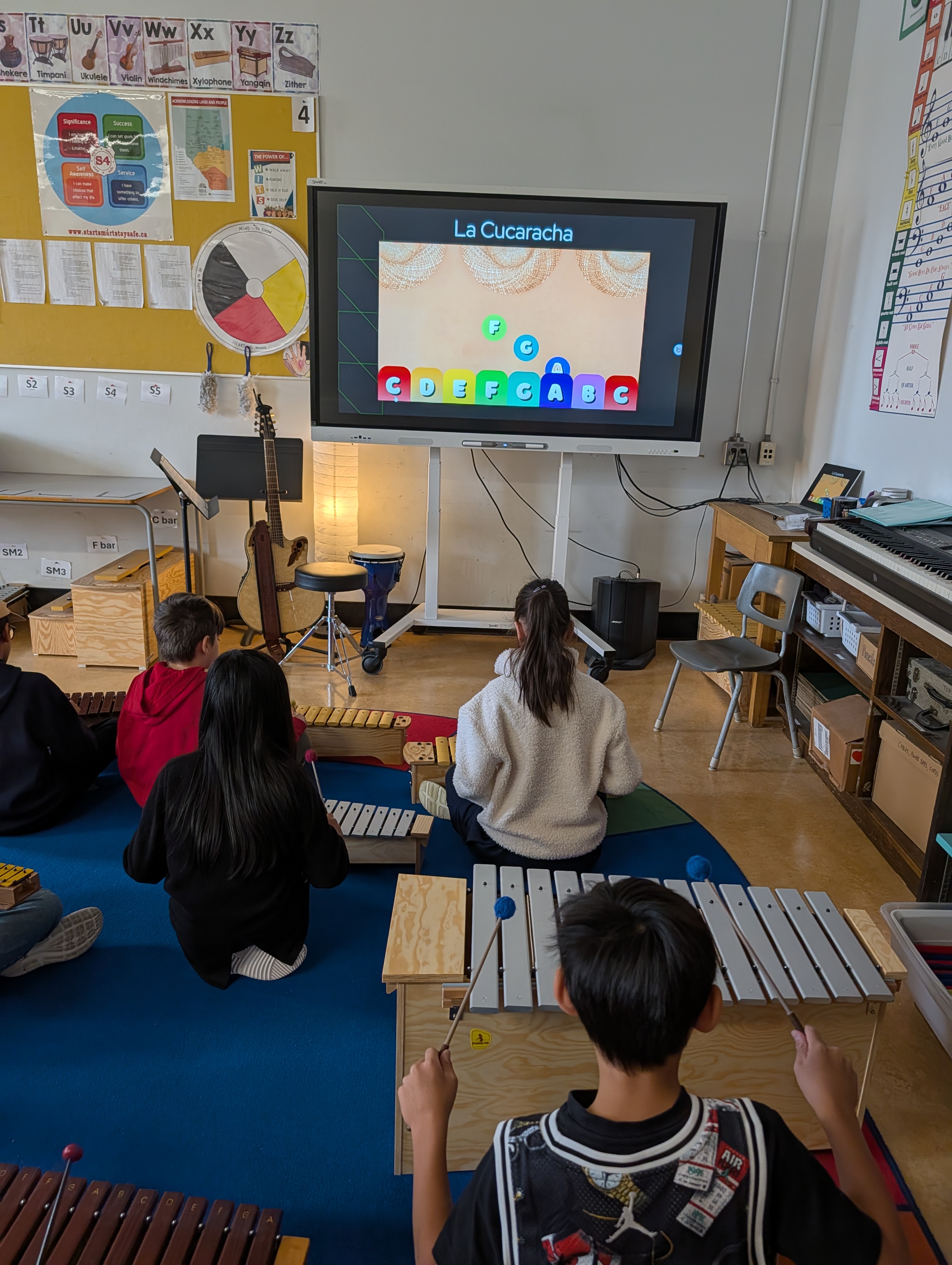
Students in Grades 4, 5 and 6 have continued developing technique and skill using barred instruments (xylophones, metallophones and glockenspiels). We have been warming up using the traditional Mexican song La Cucaracha with the help of a video similar to our Boomwhacker play-alongs. Students who feel ready have been volunteering to share their Pizza, Pizza call-response melodies with me for assessment. Next week, I'll complete the assessments for any remaining students and we'll move on to more complex pieces of music using barred instruments and ambient sound effects.
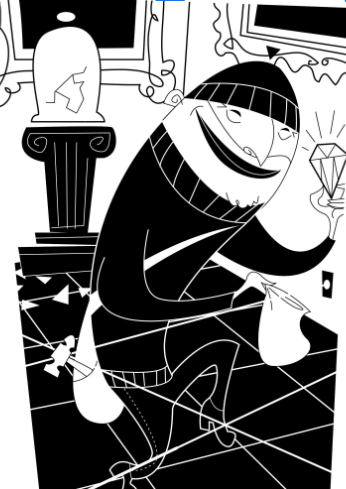
Students in Grades 2 and 3 have been focusing their voices on singing the pitches: so, mi, la and do with consistency and accuracy. We've been playing a fun game for assessment called, Diamond Thief where a detective has to use their ears to find out who is holding a small acrylic diamond. Ask your child to sing you the song!
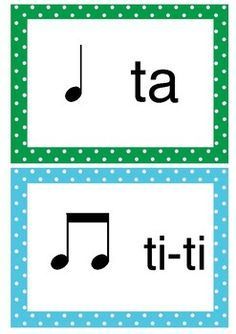
Kindergarten and Grade 1 have been playing games and using simple instruments (hand drums, jingle taps) to reinforce the quarter and eighth note ("ta" and "ti-ti"). We learned the games Apple Tree and Albert Alligator to practice moving to a steady beat while using our singing voices.
September 18, 2026
Students in Grades 1 and 2 have been working on singing in-tune while playing steady beat on a wider variety of instruments to accompany the country song, Ridin' That New River Train. So far, we've used djembe drums, jingle taps and Boomwhackers.
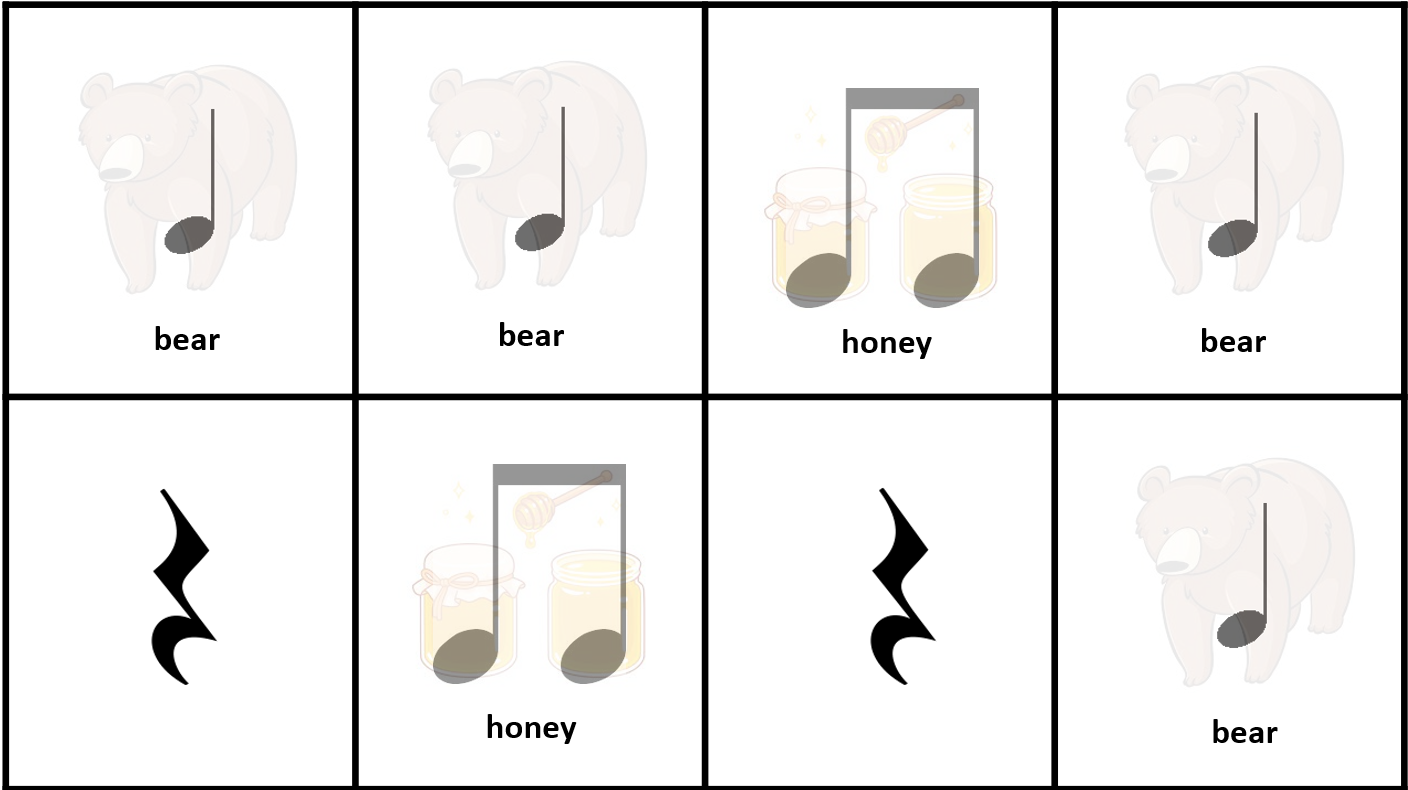
Our Kindergarten classes have been learning about following conductor cues, reading music left to right, and starting to name the basic rhythm notes of 'ta' ("bear") and 'ti-ti' ("honey"). The biggest challenge is staying quiet for a beat during the rests!
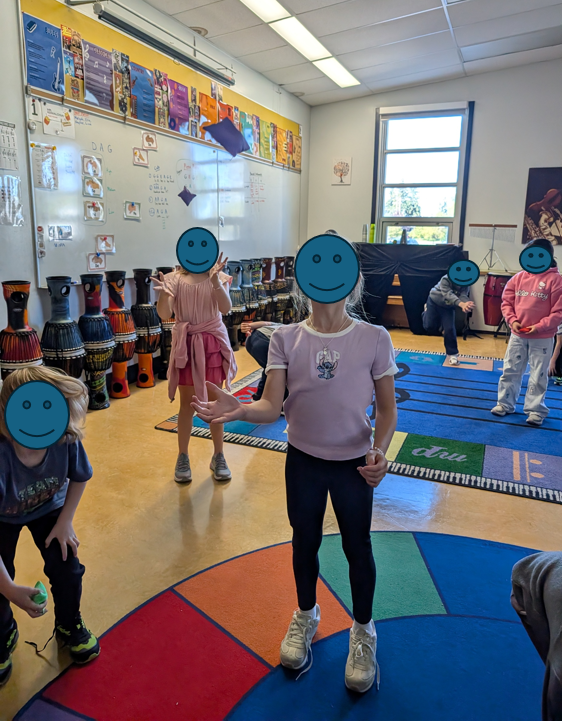
Grade 3 students have been working on singing the tones in a C-major scale (do, re, mi, fa, so, la, ti, do'). We've recently started practicing the song, Plainsies Clapsies using the pitches: so, la and mi. There's a bean bag challenge to add a bit of movement and coordination while singing. We'll keep working on the movements next week, because some of them are pretty difficult!
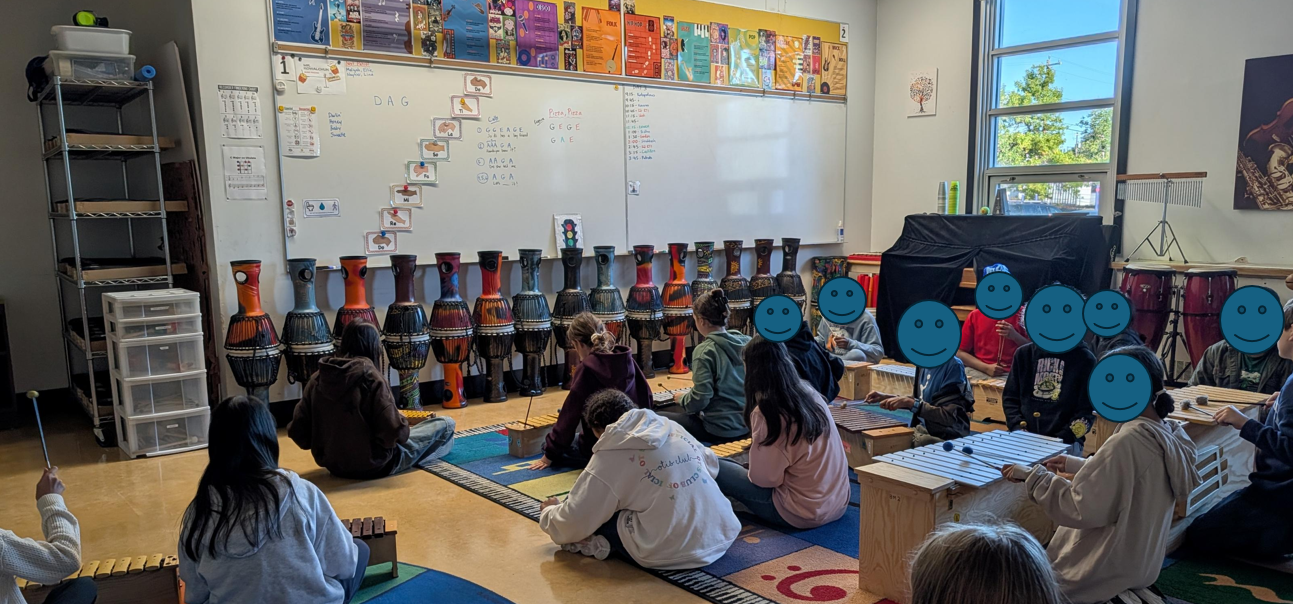
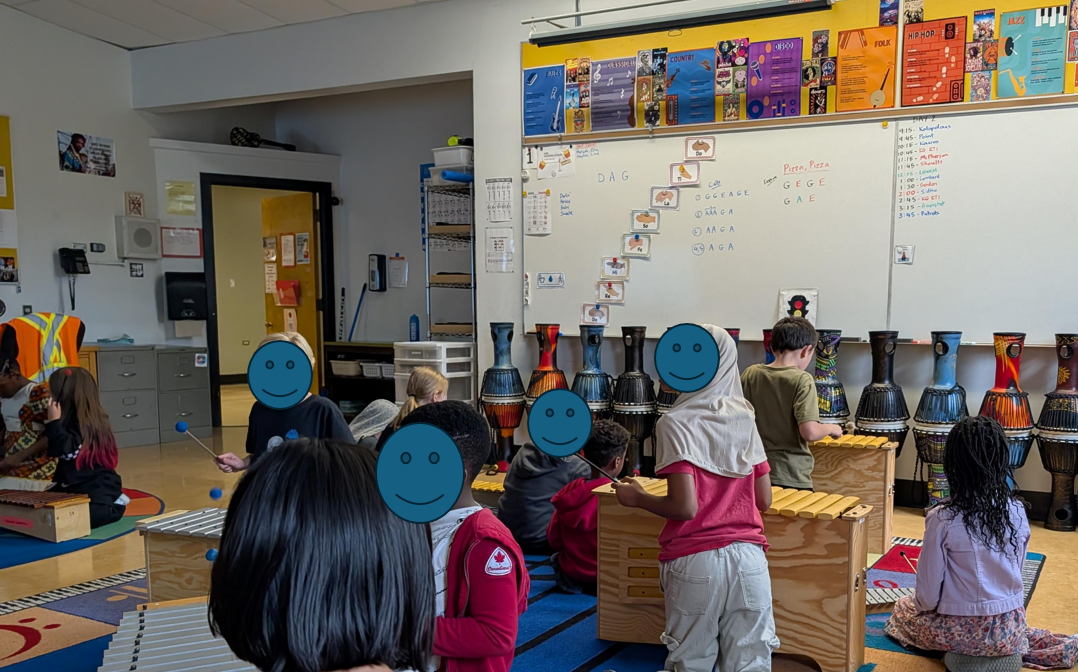
Students in Grades 4, 5 and 6 have all moved the melody from the song, Pizza, Pizza on to barred instruments (xylophones, metallophones and glockenspiels) this week. Most students are very comfortable playing the response melody, and are working on the more challenging task of learning the call melodies (which change almost every verse). At this point in the school year, most of our focus is on playing with good technique. I will begin assessing volunteers who feel ready to show me next week, then eventually assess every student on their technique and performance.
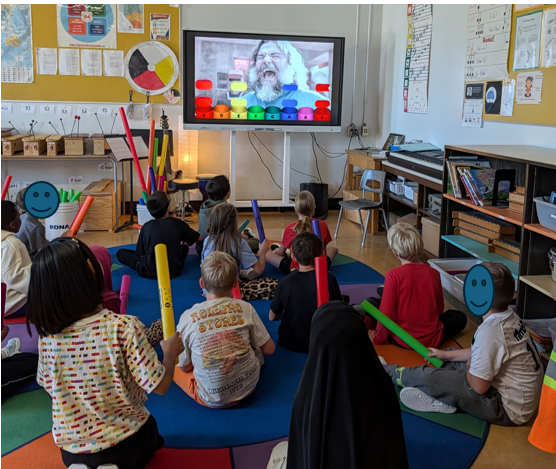
Today was "Friday Funday" on Boomwhackers for Division 2 (Grade 4, 5, 6). Students reviewed proper Boomwhacker technique, then played some major scale warm-ups before attempting a variety of pop songs as an ensemble. It was lots of fun, and they sounded great!
September 11, 2026
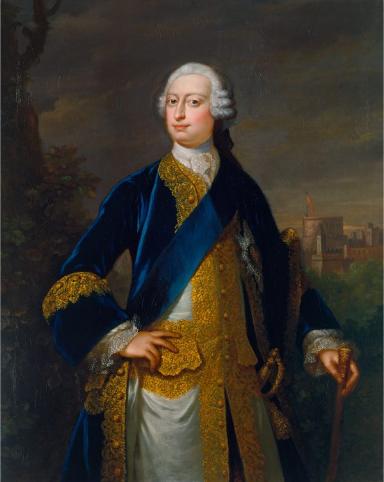
Students in Kindergarten, Grade 1, Grade 2 and Grade 3 have been practicing planned body movements and tempo changes with the traditional song, The Grand Old Duke of York. Ask your child what the silly duke in the painting above did to have a song written about him!
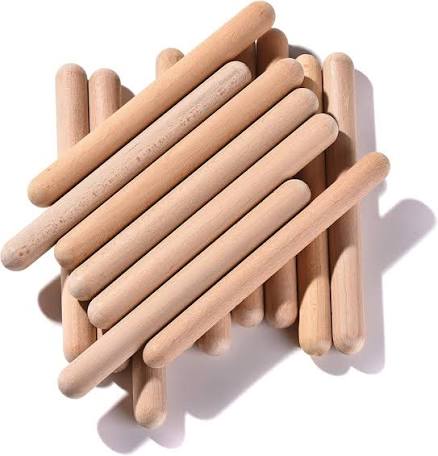
Younger students have also been practicing rhythms and keeping a steady beat using one of the simpler instruments available to us: lummi sticks! Ask your child about the THREE ways you can play lummi sticks and how to be safe and follow the rules for each way.
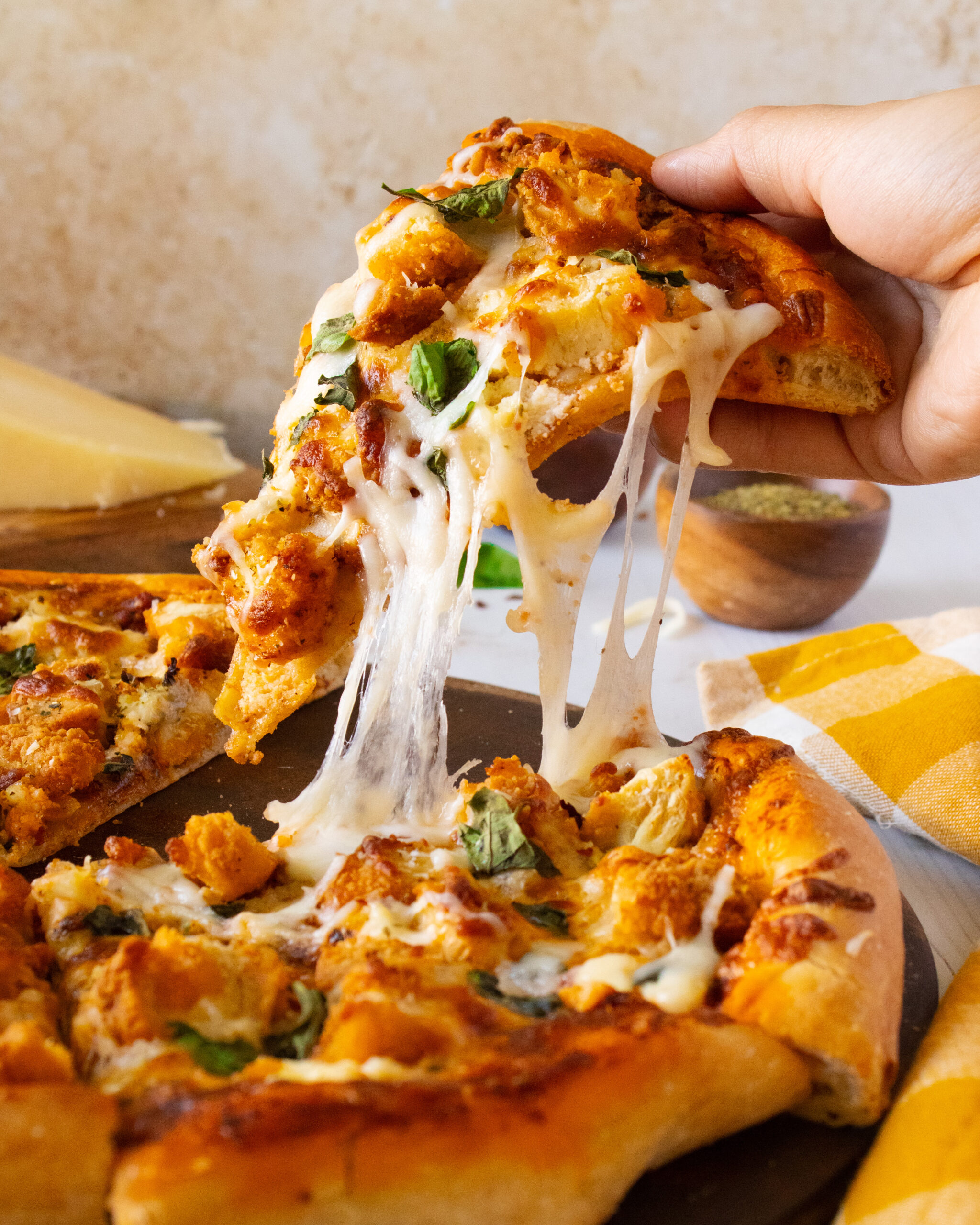
Students in Grades 4, 5 and 6 learned a new song using a call-response style called, Pizza Pizza. After learning how to sing the melodies correctly, volunteer students took turns leading the group as the 'caller.' After this week, most classes are comfortable enough with the melody to move the song on to our pitched percussion instruments (xylophones, metallophones and glockenspiels) next week.
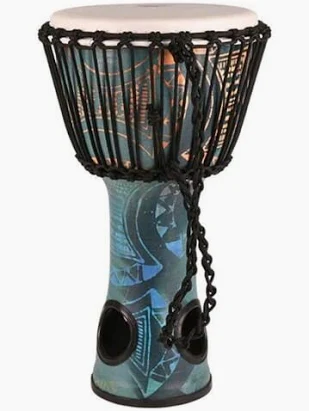
Older students have been using our djembe drums during daily rhythm warm-ups to practice good technique, steady beat, and rhythm playing. We've also been reviewing how to read rhythm notes, play in large and small groups, and follow conductor cues.
September 4, 2026
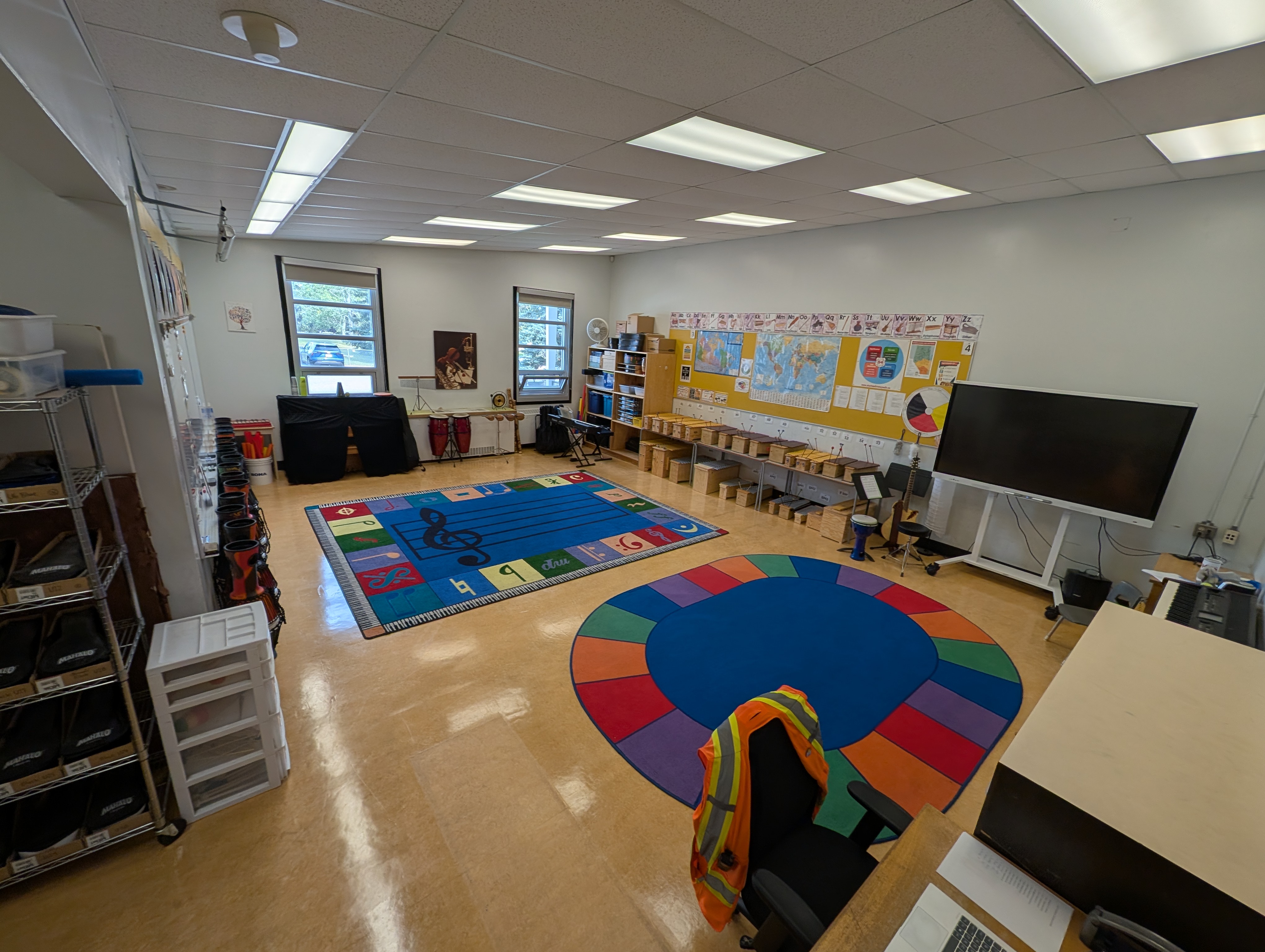
Welcome to Music at Glenbrook School! It's been great catching up with all the returning students and meeting the newcomers to our community this week. We're so fortunate to have a wide range of instruments and space to play them, and I am always impressed with how much talent and skill Glenbrook students showcase each year!
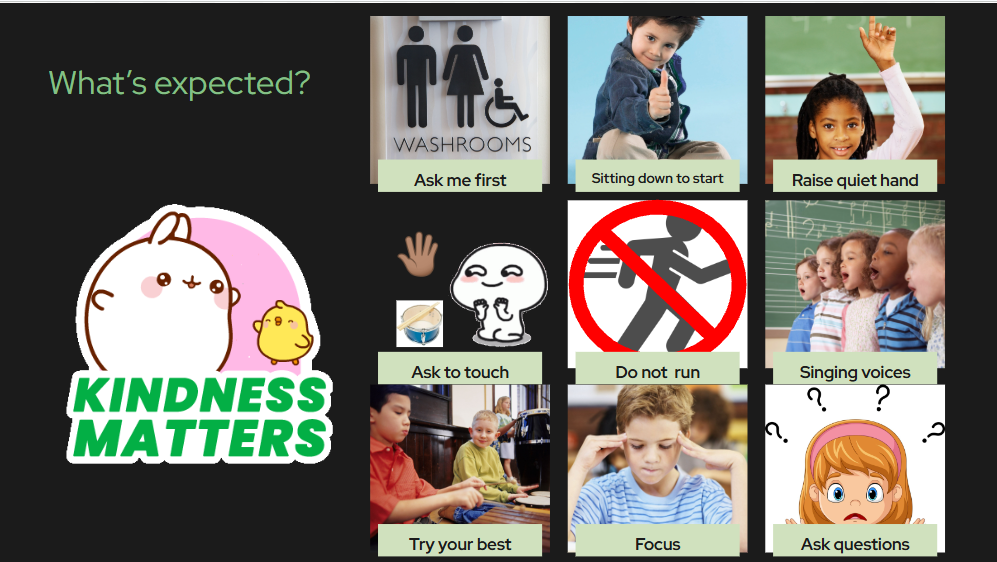
We have spent the first days going over expectations for how to keep our Music room clean, prevent damage to instruments, and show respect for one another while learning.
With our new rotating schedule, homerooms will have Music class 3-4 times per week. Please review the expectations above so that you can support your child to make the most out of each learning experience.

Scientific research has consistently shown that high-quality music education enhances memory, language, spatial reasoning, self-esteem, perseverance, social and emotional development! We will be following Alberta's music curriculum and learning the musical concepts of rhythm, melody, harmony, form and expression using the musical skills listed in the image above.
Stay tuned each week for a short update on what your child has been working on in Music class!
-Mr. Brett Kowalchuk